
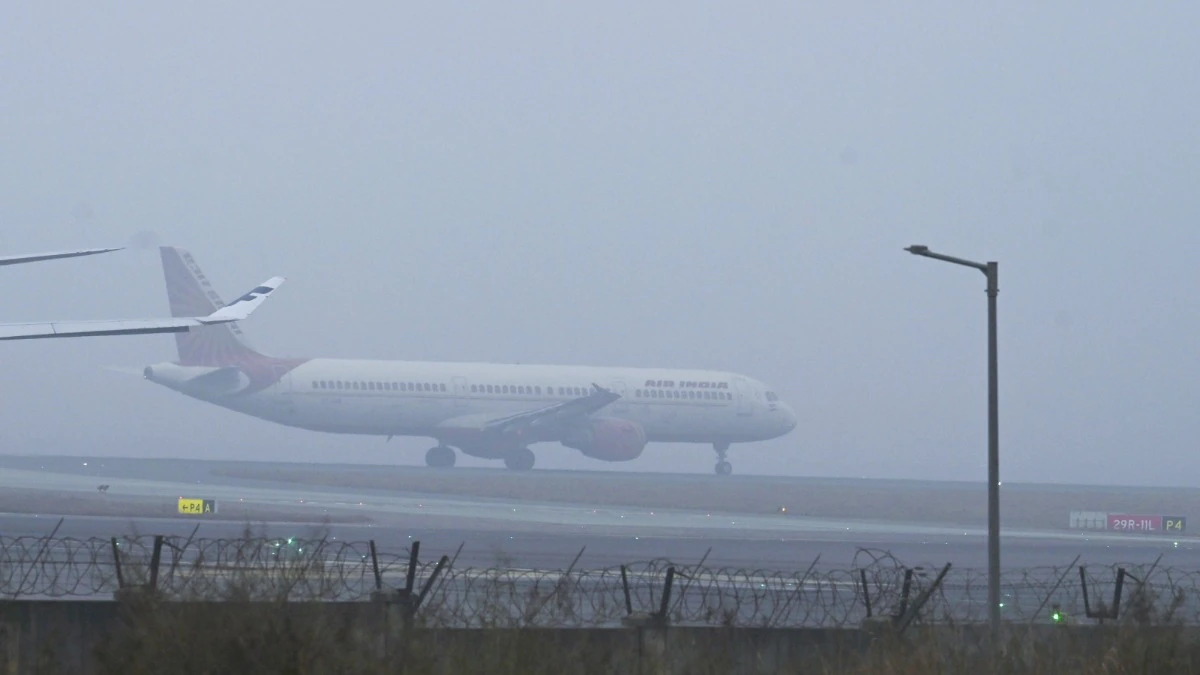
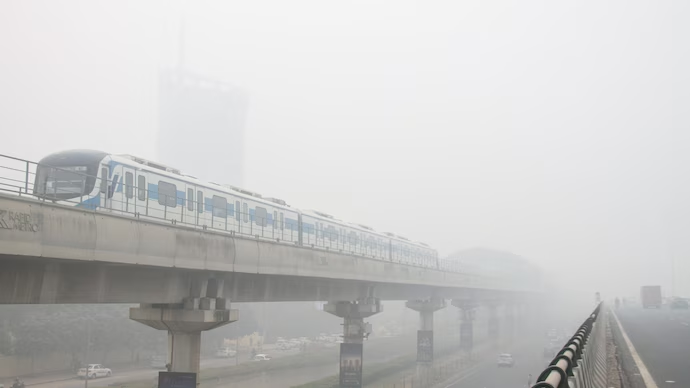
Delhi-NCR woke up to a familiar yet alarming winter crisis as dense fog combined with severe air pollution disrupted normal life across the region. With visibility dropping sharply and air quality slipping into the ‘severe’ category, the situation caused widespread travel delays, health concerns, and public advisories, just days before New Year celebrations.
Flights and Trains Hit by Low Visibility
Early morning fog reduced visibility to near zero in several parts of North India, severely impacting operations at Delhi’s Indira Gandhi International Airport. Multiple flights were delayed or rescheduled as airlines operated under low-visibility procedures. Passengers faced long waiting hours, while airlines issued travel advisories urging flyers to check flight status before heading to the airport.
Rail services were also affected, with several long-distance trains running behind schedule due to foggy conditions across northern railway routes.
Air Quality Reaches ‘Severe’ Levels
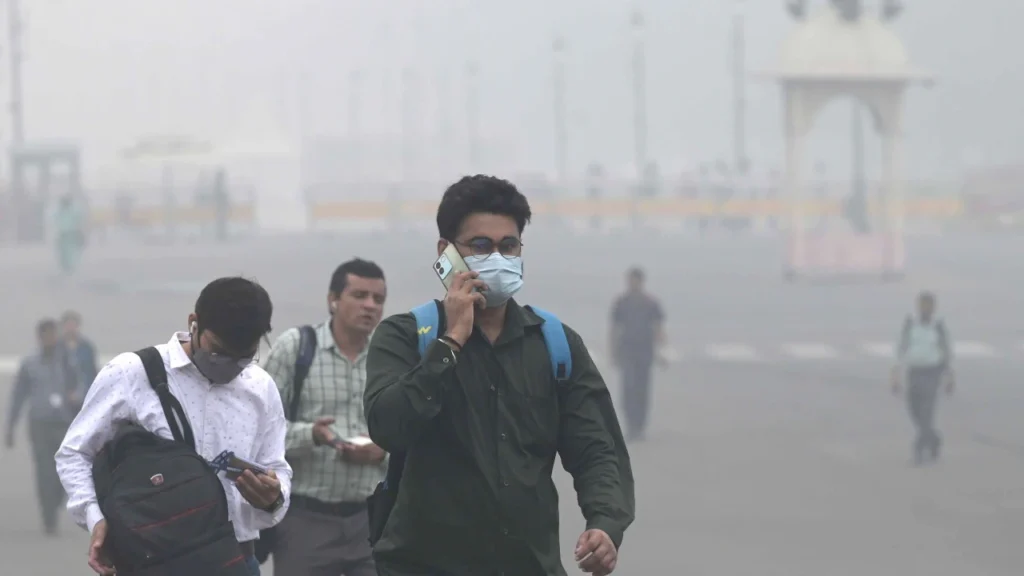
Adding to the chaos, Delhi’s Air Quality Index (AQI) crossed into the severe zone, triggering fresh health warnings. Medical experts cautioned that prolonged exposure could worsen respiratory illnesses, particularly among children, elderly people, and those with asthma or heart conditions.
Hospitals and clinics reported a noticeable rise in patients complaining of breathing difficulties, burning eyes, throat irritation, and fatigue — symptoms commonly associated with high pollution levels.
Schools, Offices and Public Life Affected
Several schools opted for delayed timings or online classes, while office attendance dropped as commuters struggled with foggy roads and poor air. Morning walkers stayed indoors, parks appeared deserted, and residents were advised to limit outdoor activities.
Traffic movement slowed significantly during peak hours, increasing congestion and raising the risk of accidents due to poor visibility.
Authorities Issue Safety Advisories
Authorities urged citizens to take precautions, including:
Avoiding non-essential early-morning travel
Wearing masks outdoors
Keeping windows closed to reduce indoor pollution
Using public transport where possible
With New Year celebrations approaching, police and civic agencies also tightened safety measures to manage crowds amid low visibility and pollution concerns.
A Recurring Winter Warning
The latest episode once again highlights Delhi-NCR’s recurring winter pollution crisis, driven by a combination of vehicular emissions, weather conditions, and regional factors. Environmental experts stress that without long-term solutions, such episodes will continue to disrupt life every winter.
As residents brace for more foggy mornings, the situation serves as a reminder of the urgent need for sustainable pollution control measures to protect public health and urban mobility.
Leave a Reply