
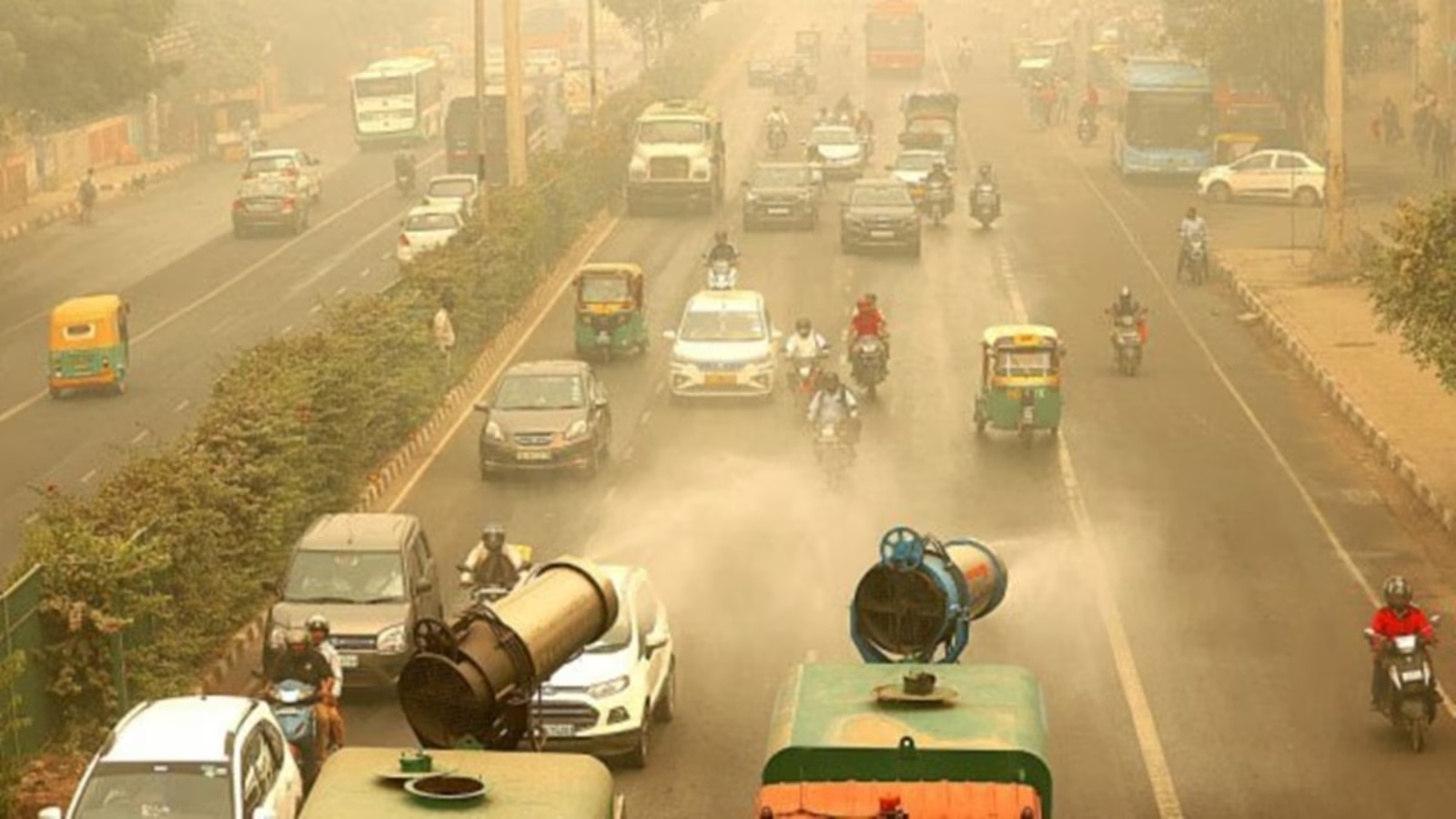
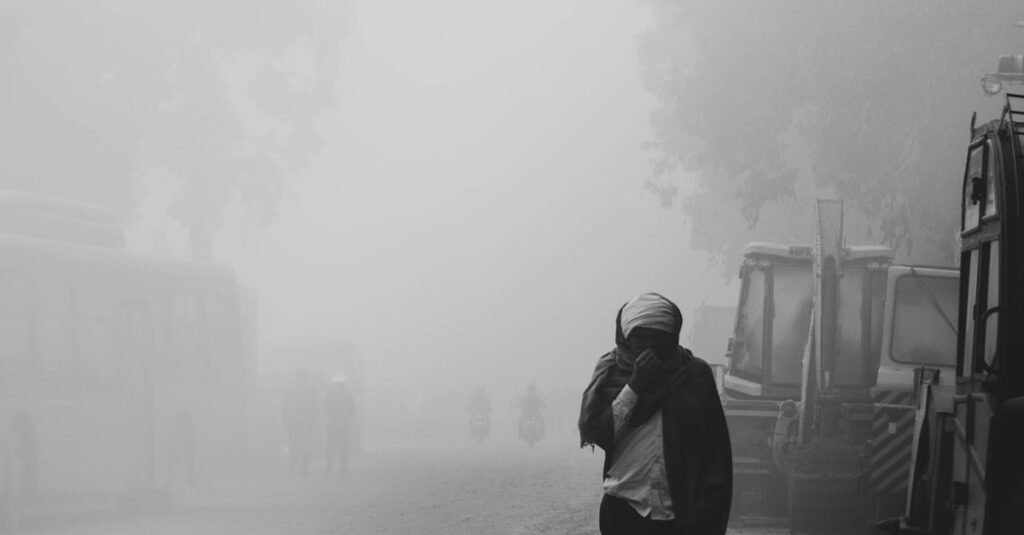
Delhi-NCR is facing one of its most severe pollution emergencies of the season, prompting authorities to implement the strict “No PUC, No Fuel” rule under GRAP-4 (Graded Response Action Plan). The move comes as air quality levels slipped into the hazardous category, raising serious health concerns for millions of residents.
Under the new rule, vehicles without a valid Pollution Under Control (PUC) certificate are no longer allowed to refuel at petrol pumps across the capital region. The decision marks a significant shift from advisory measures to direct enforcement, affecting daily commuters, commercial transport, and logistics operations.
Why Was the Rule Enforced?
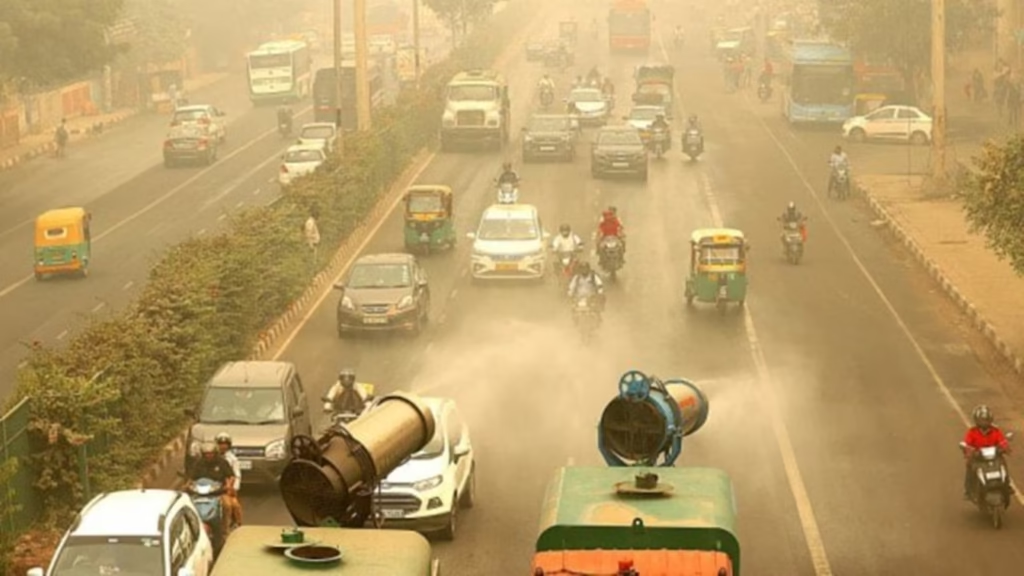
Over the past few days, Delhi’s Air Quality Index (AQI) surged beyond safe limits due to a combination of vehicular emissions, industrial pollution, construction dust, stubble burning, and unfavorable weather conditions such as low wind speed and dense fog.
Medical experts have repeatedly warned that prolonged exposure to such air can cause:
Respiratory illnesses
Heart complications
Eye and throat irritation
Long-term lung damage, especially in children and the elderly
With hospitals reporting an increase in pollution-related complaints, authorities activated GRAP-4, the strictest anti-pollution response framework.
What Does ‘No PUC, No Fuel’ Mean for Citizens?
The rule directly impacts vehicle owners who fail to comply with emission norms. Fuel stations are now required to check PUC certificates before dispensing fuel, making compliance unavoidable.
Key implications include:
Immediate pressure on vehicle owners to update emission certificates
Reduced usage of highly polluting vehicles
Increased demand for public transport and carpooling
Operational challenges for delivery and transport services
Officials say the move is aimed not at punishment, but at forcing behavioral change to reduce pollution at the source.
Additional Restrictions Under GRAP-4
Along with the fuel restriction, authorities have also:
Banned entry of certain diesel and non-essential commercial vehicles
Suspended construction and demolition activities
Encouraged work-from-home where possible
Increased monitoring of industrial emissions
These measures highlight the severity of the pollution situation, which is no longer limited to environmental concern but has become a public health emergency.
A Wake-Up Call for Long-Term Solutions
While emergency steps may offer temporary relief, experts argue that Delhi needs sustainable, long-term solutions — cleaner transport, stricter industrial regulations, improved public transit, and regional coordination with neighboring states.
The current crisis once again raises a critical question:
Are emergency measures enough, or does India’s capital need a permanent pollution control roadmap?
As winter peaks, the coming days will be crucial in determining whether these restrictions can bring meaningful improvement or if even tougher decisions lie ahead.
Leave a Reply