
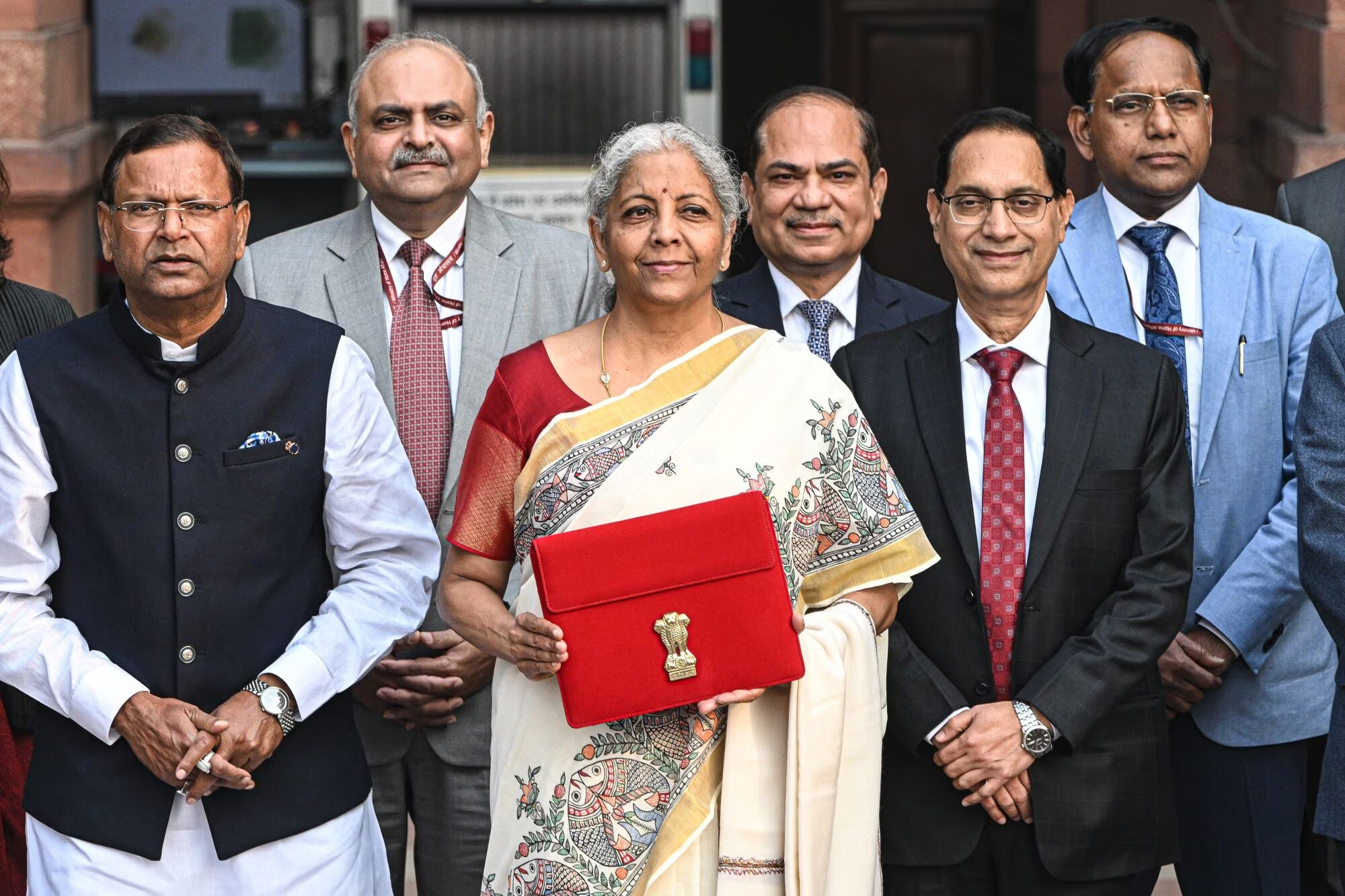
As India moves closer to the Union Budget 2026, one key expectation is dominating economic discussions — a likely increase in government capital expenditure (capex). With global uncertainties, slowing private consumption, and the need for long-term growth, the Centre is expected to double down on infrastructure-led development.
This capex push could play a crucial role in shaping India’s economic momentum in the coming financial year.
What Is Capital Expenditure and Why It Matters
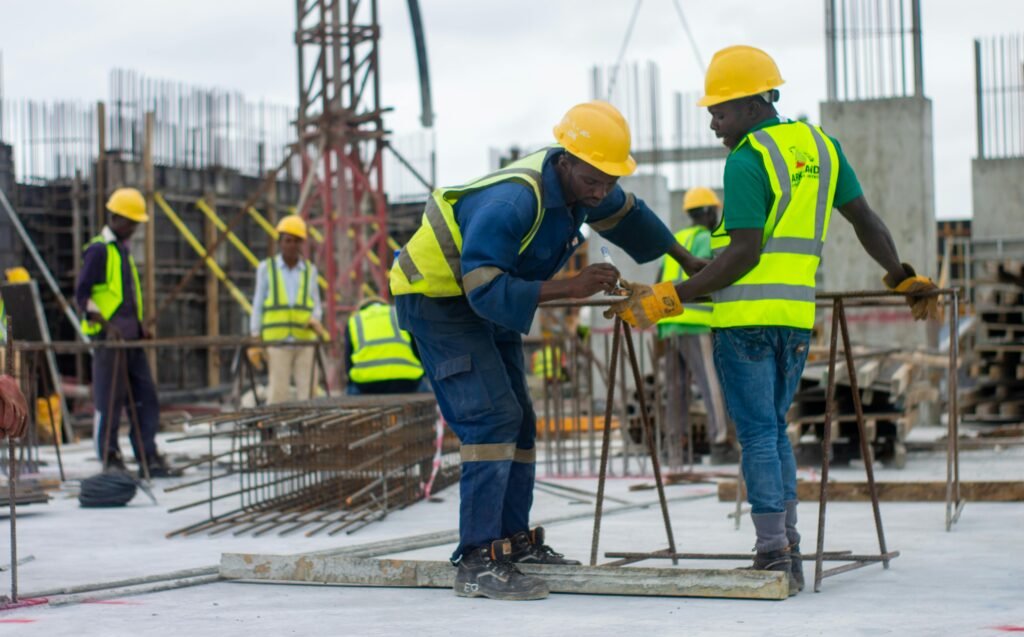
Capital expenditure refers to government spending on long-term assets such as:
Roads and highways
Railways and metro projects
Airports and ports
Defence manufacturing
Power, logistics, and digital infrastructure
Unlike short-term welfare spending, capex creates assets, boosts productivity, and generates employment — making it a powerful tool for sustainable economic growth.
Why the Government May Increase Capex in Budget 2026
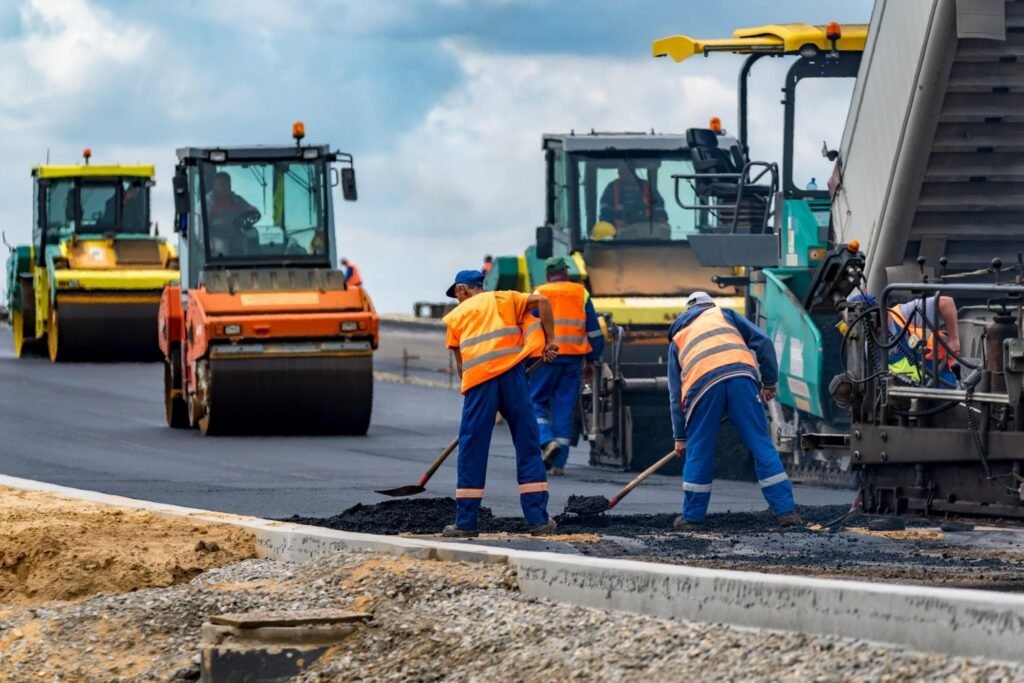
1. To Sustain Economic Growth
While India remains one of the fastest-growing major economies, consumption growth has shown signs of moderation. Higher public investment can compensate by driving demand across sectors.
2. Infrastructure as a Growth Engine
Over the last few budgets, infrastructure spending has delivered visible results — improved logistics, faster connectivity, and increased private sector participation. A fresh capex push would accelerate these gains.
3. Job Creation Across Sectors
Infrastructure projects directly and indirectly generate millions of jobs — from construction workers to engineers, logistics firms, and MSMEs.
4. Crowd-In Private Investment
When the government spends more on infrastructure, it encourages private companies to invest, creating a multiplier effect across the economy.
Sectors Likely to Benefit the Most
Infrastructure & Construction
Roads, highways, railways, and urban transport projects are expected to receive significant allocations.
Manufacturing & Make in India
Capex supports industrial corridors, logistics parks, and domestic manufacturing — strengthening India’s global competitiveness.
Real Estate & Housing
Infrastructure development boosts real estate demand, especially around new highways, metros, and smart cities.
Defence & Strategic Industries
Higher capital spending may support domestic defence production, aligning with the Atmanirbhar Bharat vision.
Impact on Markets and Investors

Historically, capex-heavy budgets are viewed positively by markets. Sectors like infrastructure, cement, capital goods, PSU banks, and engineering companies often gain investor attention.
For long-term investors, increased government spending signals confidence in economic expansion and policy stability.
Challenges the Government Must Balance
While boosting capex is growth-friendly, policymakers must manage:
Fiscal deficit targets
Rising interest payments
Global inflationary pressures
A well-balanced budget that maintains fiscal discipline while prioritising growth will be crucial.
The Bigger Picture: India’s Long-Term Growth Strategy

A sustained capex-led approach aligns with India’s ambition to:
Become a $5 trillion economy
Strengthen domestic supply chains
Reduce logistics costs
Improve ease of doing business
If executed efficiently, Budget 2026 could reinforce India’s position as a resilient and investment-friendly economy.
Conclusion
The expected increase in capital expenditure in Union Budget 2026 could be one of the most important economic decisions of the year. By focusing on infrastructure, jobs, and productivity, the government aims to lay a strong foundation for long-term growth.
As Budget day approaches, all eyes will be on how boldly the Centre backs its capex-driven development strategy.
Leave a Reply